


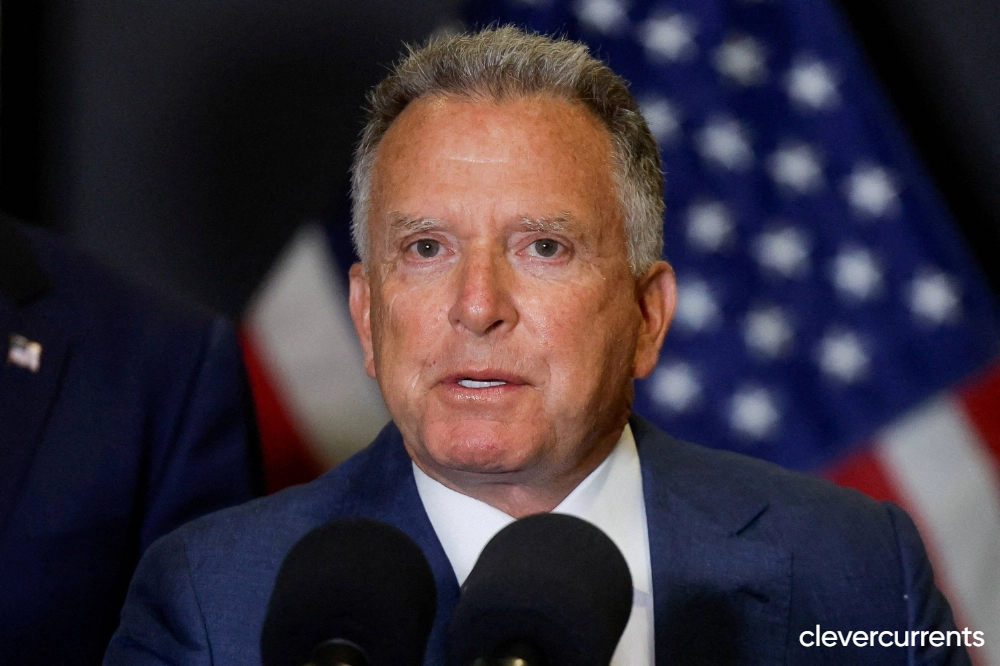
According to a report by Bloomberg, on October 14, 2025, Steve Witkoff — fresh from brokering a ceasefire in Gaza — made a short (~5-minute) phone call to a senior Kremlin official, Yuri Ushakov. During the call, he suggested that Russia’s leader, Vladimir Putin, approach Donald Trump by congratulating him on the recent Gaza deal and framing a Ukraine peace initiative similarly.
Witkoff proposed that Putin send a message — praising Trump as a “man of peace” — and propose a peace plan with a 20-point framework. The idea was to arrange a direct Putin–Trump call before the planned visit of Ukraine’s president to Washington.
The tactic appears to have worked: two days later, Putin and Trump indeed spoke on the phone, and Trump described the call as “very productive.”
Why It’s So Controversial
There are several reasons why this revelation has sparked intense debate:
-
Diplomatic Ethics & Neutrality: As a US envoy, Witkoff advising one side (Russia) on how to “sell” a plan to the US — could be seen as compromising neutrality. It gives the impression that the US is helping one warring party frame demands in a favourable light, rather than acting as a neutral mediator.
-
Power Imbalance and Pressure: Given the US’s influence on global diplomacy and aid to Ukraine, this advice could sway the dynamics in favour of Russia — potentially undermining Ukraine’s negotiating position.
-
Perception of Bias: Critics argue that such coaching signals a tilt toward Russia’s interests, which could undermine trust in the US as an honest broker.
-
Transparency & Accountability: The leaked transcript (and its publication) raise questions about what else is being negotiated behind closed doors — and whether the full scope of US involvement and proposals are being disclosed to the public or Ukraine.
What’s at Stake: Peace Plan — or Appeasement?
Some see Witkoff’s guidance as a pragmatic attempt to broker peace: by giving Russia a “path to dignity” through framing that appeals to Trump’s sensibilities, perhaps a ceasefire or end to war could be negotiated.
Others view the move as a disturbing form of appeasement — essentially helping Russia shape a deal that might legitimize territorial gains or undermine Ukrainian sovereignty. According to some media reports, the broader peace proposals under discussion reportedly include terms that could force Ukraine to cede territory in Donbas and accept limitations on NATO membership.
The risk: if the political optics matter more than justice or fairness, the resulting deal could institutionalize a outcome favourable to Russia — but fragile, unstable, and opposed by Ukraine and its allies.
Official Reactions — Defence & Denial
Officials aligned with Witkoff and the White House have defended the move as part of “peacemaking diplomacy.” A White House spokesperson reportedly said that Witkoff speaks with both Russian and Ukrainian officials “nearly every day” to try to find a pathway to peace.
Meanwhile, some Russian officials have attempted to distance themselves from the more controversial elements of the proposed plan, arguing that any shared proposals were informal, and that final terms remain subject to negotiation and approval.
Trump, when asked about the revelations, described Witkoff’s advice as “a standard thing… that’s what a deal maker does.”
Implications — What This Means for the War, Diplomacy & the Future
-
Erosion of Trust in Mediation: If mediators are perceived to be playing favourites, neutral third-party mediation loses credibility. Other parties (Ukraine, Europe) may become increasingly sceptical of US-led diplomacy.
-
Pressure on Ukraine: This could increase diplomatic pressure on Ukraine to accept a peace plan that compromises core national interests — especially if the US links future support or intelligence sharing to acceptance.
-
Global Diplomacy Norms: The episode invites debate over what constitutes legitimate diplomatic engagement vs. back-room manipulation. The integrity of peace processes may suffer if such tactics become normalized.
-
Precedent for Future Conflicts: If such an approach succeeds (or even appears to), it may encourage other powerful states or mediators to leverage influence to shape deals behind the scenes — raising questions about sovereignty, fairness, and long-term stability.
What to Watch Next
-
Will Ukraine accept or reject the emerging peace framework — especially under US pressure?
-
How will European allies and global powers react if a deal with major concessions to Russia is negotiated?
-
Will more leaks or transcripts emerge from similar back-channel discussions, exposing deeper involvement and shaping of deals behind closed doors?
-
Could this reshape the norms of diplomacy — shifting more talks behind screens, where powerful mediators coach weaker parties?