


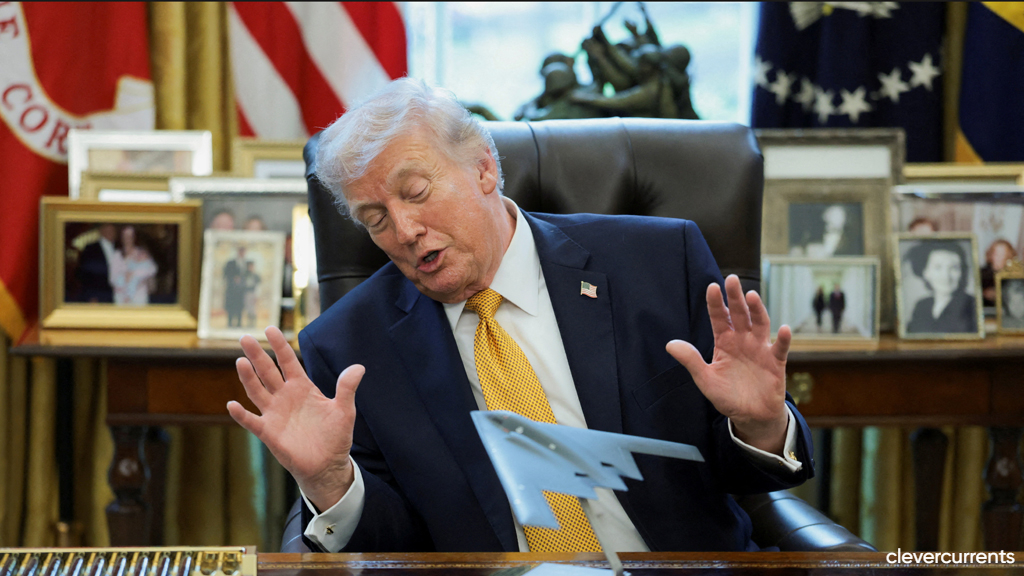
Tensions in the Middle East have once again taken center stage as reports suggest that Donald Trump was warned about potential Iranian retaliation targeting key Gulf allies. The warning, reportedly issued by intelligence and defense officials, highlights the fragile security landscape in the region and raises concerns about a broader escalation.
Background of the Conflict
The strained relationship between the United States and Iran has been marked by years of geopolitical rivalry, sanctions, and military posturing. Under Trump’s administration, tensions escalated significantly following the withdrawal from the Iran nuclear deal and the imposition of strict economic sanctions.
These actions not only impacted Iran’s economy but also heightened military alertness across the Gulf region, where several U.S. allies play a strategic role.
The Warning: What We Know
According to sources familiar with the matter, Trump was briefed about the likelihood of Iran targeting Gulf nations in retaliation for U.S. actions. Countries such as Saudi Arabia, United Arab Emirates, and Qatar were considered potential targets due to their close ties with Washington.
The warning reportedly included concerns over:
-
Drone attacks on oil facilities
-
Missile strikes on strategic infrastructure
-
Disruption of shipping routes in the Gulf
Why Gulf Allies Are at Risk
Gulf nations host key U.S. military bases and serve as critical hubs for global oil supply. Any attack on these countries could have far-reaching consequences—not just regionally, but globally.
Iran has previously demonstrated its capability to strike indirectly through proxy groups and asymmetric warfare tactics, making the threat more complex and unpredictable.
Global Implications
If Iran were to retaliate against Gulf allies, the impact could include:
-
A sharp rise in global oil prices
-
Disruptions in international trade routes
-
Increased military presence from global powers
-
Heightened risk of a wider regional conflict
Such a scenario would also put pressure on diplomatic efforts aimed at stabilizing the region.
The Strategic Calculations
For the U.S., the challenge lies in balancing deterrence with diplomacy. While military preparedness remains high, escalation could lead to unintended consequences.
For Iran, retaliation may serve as a signal of strength but risks inviting a stronger international response.
Conclusion
The warning to Donald Trump underscores the delicate balance of power in the Middle East. With tensions simmering between the U.S. and Iran, Gulf nations remain on high alert.
As the situation evolves, the world watches closely, hoping that diplomacy prevails over conflict in one of the most strategically important regions on the planet.
база данных компаний россия база данных компаний россия .
crazy time demo crazy time demo
xbet giri? xbet giri? .
услуги по согласованию перепланировки услуги по согласованию перепланировки .
перепланировка в москве перепланировка в москве .