


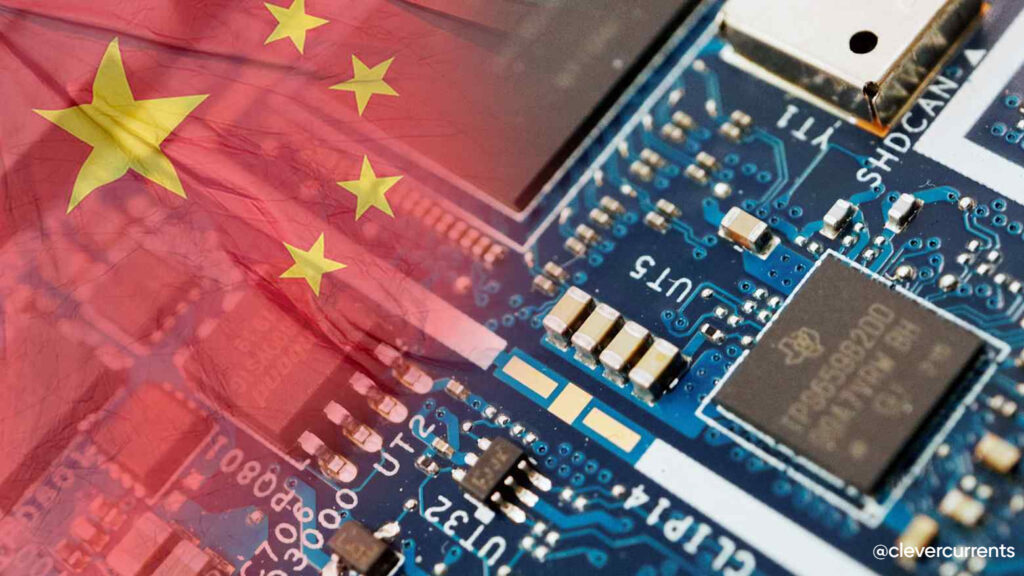
In a move that could reshape global tech supply chains, major personal computer manufacturers — HP, Dell, Acer and ASUS — are reportedly weighing the option of sourcing memory chips from Chinese suppliers for the first time as a severe global memory chip shortage tightens its grip on the industry. The development was highlighted in a Nikkei Asia report and has since circulated widely in major news outlets.
What’s Driving This Shift?
Memory chips — especially DRAM (dynamic random-access memory) — are an essential component in laptops, servers, gaming machines, and virtually every computing device. Supply disruptions have become more acute as demand surges for AI-optimized chips and data-center components, while traditional suppliers struggle to keep pace.
-
Supply shortfalls have led to delayed product launches and rising costs.
-
Traditional sources like Samsung, SK hynix and Micron are prioritizing higher-margin and AI-oriented chips.
-
Prices for standard DRAM modules have jumped sharply over the past year.
Faced with these pressures, PC makers are exploring unconventional supply routes — including Chinese memory producers — to stabilize production and avoid bottlenecks.
Who’s Considering Chinese Memory Chips?
According to the Nikkei Asia report:
-
HP has already begun qualifying memory products from ChangXin Memory Technologies (CXMT) as a potential alternative source. If the shortage continues through mid-2026, HP could expand CXMT sourcing in non-U.S. markets.
-
Dell is evaluating DRAM from the same Chinese supplier to hedge against ongoing price hikes.
-
Acer and ASUS have stated they’re open to sourcing Chinese chips through local production partners if available.
It’s important to note that Reuters has not independently confirmed the Nikkei Asia report, and none of the companies have publicly commented on their strategies yet.
What Does This Mean for the Industry?
This potential shift underscores several widening trends in global technology supply:
1. Supply Chain Stress is Real
The memory shortage is not a short-term blip. With demand from AI, cloud services and consumer electronics all pulling on limited inventories, existing memory suppliers cannot satisfy all downstream players.
2. New Players Are Emerging
Chinese firms like CXMT are gaining traction. While not yet at the performance level of the biggest global manufacturers, they can produce commodity memory chips that may be adequate for many PC applications.
This also highlights how geopolitics and industrial strategy intersect — China has been investing heavily in its domestic semiconductor industry for years, aiming to reduce reliance on foreign tech. This could give Chinese suppliers an edge in a supply-constrained market.
3. Prices May Stabilize — or Rise
If more OEMs adopt Chinese memory chips, it could ease some pressure on supply chains. But quality, performance certification and logistical hurdles remain. Moreover, memory prices have already surged significantly, and some analysts expect this to continue unless capacity expands dramatically.
What Comes Next?
The next few months will be critical. PC makers are likely to continue monitoring the memory market through mid-2026 and decide whether to broaden their supplier base or stick with established manufacturers. The eventual outcome could have implications for product pricing, supply chain diversity, and even geopolitical dynamics in the tech industry.
Whether this trend becomes a long-term shift or just a temporary workaround remains to be seen — but one thing is clear: the memory chip shortage is forcing companies to rethink decades-old sourcing habits.
Профессиональное сообщество отмечает, в наше время использование методик цифрового искусства в структуру обучения нового поколения дает возможность ученикам не просто постигать сложные навыки будущего, а также максимально эффективно формировать творческий потенциал в рамках стремительного прогресса.
Страница- https://basot.ru/
Если вы ищете лучший вариант, чтобы магазин айфон, то следует выбрать надежный интернет-магазин или официальный сайт производителя для получения оригинальной продукции и дополнительных услуг, таких как гарантия и поддержка.
айфон будет отличным выбором для вашей повседневной жизни. айфоны славятся своей простотой использования и стильным дизайном . Купить айфон может быть хорошей инвестицией в ваше будущее .
айфоны созданы для тех, кто хочет иметь лучшее. айфон откроет для вас новые горизонты в мире технологий . Айфоны выпускаются в различных моделях и цветах, что позволяет вам выбрать тот, который лучше всего подходит вашему стилю .
**Раздел 2: Преимущества айфонов**
Айфоны имеют ряд преимуществ, которые сделали их популярными среди пользователей . айфон обеспечивает вам безопасную и защищенную связь. айфон имеет встроенную систему GPS, которая позволяет вам легко ориентироваться в незнакомых местах .
айфоны подходят для пользователей всех возрастов. айфон обеспечит вам высокое качество связи и интернета. Айфоны выпускаются в различных размерах и форматах, что позволяет вам выбрать тот, который лучше всего подходит вашим потребностям .
**Раздел 3: Выбор айфона**
айфон должен соответствовать вашему стилю жизни. айфоны имеют различные функции и опции, которые могут удовлетворить ваши потребности . айфон обеспечит вам доступ к широкому спектру приложений и сервисов.
айфоны имеют большое количество функций и опций, которые могут удовлетворить ваши потребности. айфон откроет для вас новые горизонты в мире технологий . Айфоны имеют ряд преимуществ, которые сделали их популярными среди пользователей .
**Раздел 4: Заключение**
айфон будет отличным инструментом для вашей повседневной жизни. айфоны славятся своей простотой использования и стильным дизайном . айфон обеспечит вам доступ к широкому спектру приложений и сервисов.
айфоны предназначены для пользователей, которые ценят качество и стиль . Купив айфон, вы сможете наслаждаться его функциями и возможностями . айфоны имеют отличную систему камер, которая позволяет делать высококачественные фотографии.
Vertyowdiwjodko kofkosfjwgojfsjf oijwfwsfjowehgewjiofwj jewfkwkfdoeguhrfkadwknfew ijedkaoaswnfeugjfkadcajsfn clevercurrents.com