
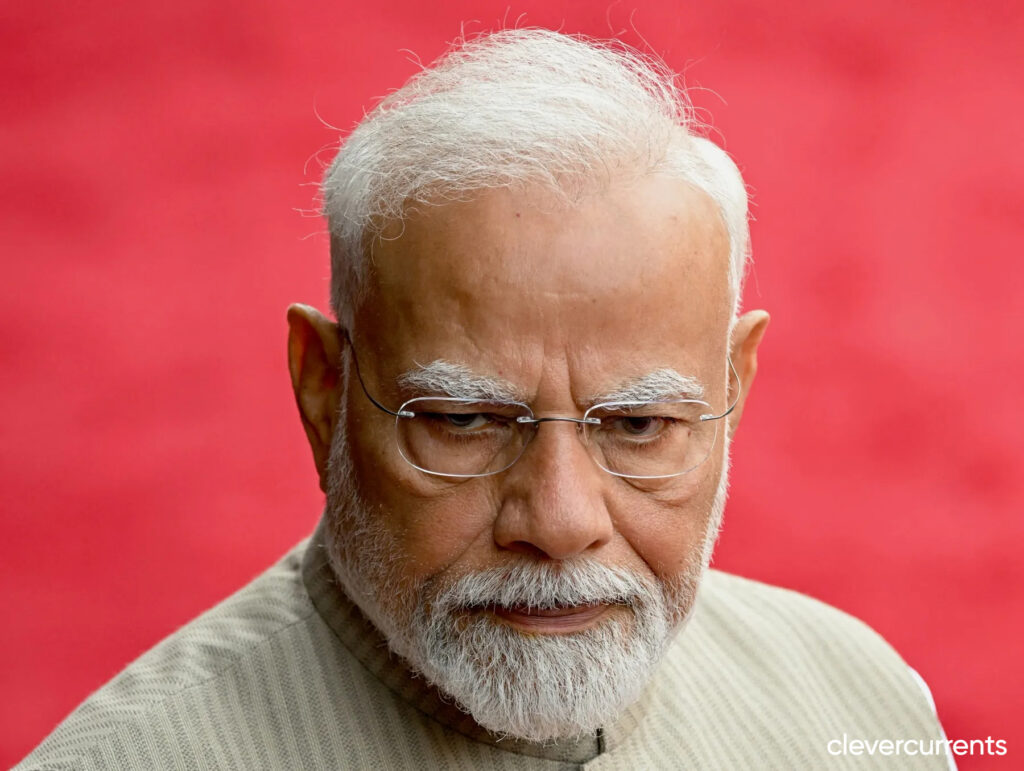
Tensions in the Middle East have taken a dramatic turn after the United States reportedly sank an Iranian warship during escalating military confrontations in the region. The incident has intensified geopolitical pressure not only on Iran but also on countries with strategic ties to both Washington and Tehran—particularly India, led by Prime Minister Narendra Modi.
Escalating Conflict in the Gulf
The confrontation between the United States and Iran has been building for months amid sanctions, military deployments, and rising tensions across the Gulf. The sinking of an Iranian naval vessel marks a significant escalation, signaling that the conflict could move beyond proxy tensions into direct military engagements.
According to defense reports, the strike occurred during a high-intensity naval standoff in strategic waters of the Persian Gulf. U.S. forces targeted the Iranian warship after claiming it posed an immediate threat to allied naval assets and shipping lanes.
The incident has sent shockwaves through global diplomatic circles and raised fears that the long-running confrontation between the two nations could spiral into a broader regional conflict.
Why India Is Under Pressure
India now finds itself in a delicate diplomatic position. As one of the world’s fastest-growing economies and a major energy importer, India has longstanding ties with both the United States and Iran.
Prime Minister Narendra Modi has worked closely with Washington in recent years, strengthening defense cooperation and strategic partnerships. At the same time, India maintains important economic and geopolitical links with Tehran, including investments in Iran’s crucial port infrastructure such as Chabahar Port.
The sinking of the Iranian warship places New Delhi in a diplomatic balancing act. Supporting the U.S. too openly could strain India’s relations with Iran, while appearing sympathetic to Tehran could complicate India’s strategic partnership with Washington.
Strategic and Energy Concerns
Energy security remains a key concern for India. A significant portion of India’s oil imports historically came from the Middle East, including Iran. Any disruption in Gulf shipping routes could impact global oil prices and, in turn, India’s economy.
The Persian Gulf is also one of the world’s most important maritime trade corridors. If the conflict escalates further, it could threaten commercial shipping, energy supplies, and regional stability.
For India, maintaining safe sea lanes is critical, especially given the country’s growing trade and energy needs.
Diplomatic Tightrope for New Delhi
India has traditionally pursued a policy of strategic autonomy—maintaining strong ties with multiple global powers while avoiding direct alignment in major conflicts.
However, the latest escalation between the United States and Iran could test that approach. Global powers and regional allies may increasingly expect India to clarify its position as tensions continue to rise.
Prime Minister Narendra Modi is therefore likely to pursue a cautious diplomatic approach, calling for restraint while protecting India’s strategic and economic interests.
Global Implications
The sinking of the Iranian warship highlights how fragile the security situation in the Middle East has become. Any further military action could trigger wider consequences, affecting energy markets, global trade, and international diplomacy.
As tensions mount, countries around the world—including India—are watching closely. The decisions made in the coming days could shape not only regional stability but also the broader balance of global power.
Куршавель — это знаменитый французский горнолыжный курорт, который часто путают с Куршевелем, но фактически это одно и то же место, выделяющееся своими роскошными отелями и великолепными трассами. Если вы интересуетесь историей Парижа, обязательно осмотрите такие достопримечательности, как Нотр Дам де Пари (собор Парижской Богоматери), Руансский собор и дворец правосудия Парижа. Также полезно ознакомиться с картой Парижа по округам, включая XIX, XV и другие, чтобы удобнее перемещаться, особенно если планируете исследовать около Монпарнаса, Гревской площади или Трокадеро. Дополнительные сведения об этом можно найти здесь авеню монтень .
Не забудьте о культурных символах, таких как Вандомская колонна, Елисейский дворец и площадь Согласия, а также знаменитых личностях — например, Коко Шанель и Ника Самофракийская. Для любителей природы достойны внимания Булонский лес и замки Луары, например Малый Трианон, ассоциирующийся с Марией-Антуанеттой. И, разумеется, если мечтаете окунуться в атмосферой парижских блошиных рынков, посетите район Монфокон или в 15-й округ Парижа.
Если вы планируете поездку в Вена, то важно изучить главные достопримечательности Вена и карту достопримечательностей Вена, чтобы не пропустить такие места, как Карлсплац Вена и Смотровая площадка Вена. Особенно атмосферно зимой, когда организуются знаменитые Вена рождественские ярмарки 2024 и рождественские ярмарки Вена 2025, наполняя город настоящую праздничную атмосферу. Для уютного пребывания можно выбрать дешевые отели Вена, а чтобы хорошо ориентироваться в городе, поможет вена аудиогид. Подробнее по ссылке вена зальцбург расстояние .
Также полезно узнать расстояние между крупными городами: Прага Вена расстояние, Вена Зальцбург расстояние и Братислава Вена расстояние — это облегчит спланировать поездку по Австрии и соседним странам. Если увлекает историческая сторона, памятник советским воинам, героически погибшим в 1945 году при освобождении Австрии от фашизма, находится в этом австрийском городе: Иннсбрук, Зальцбург, Грац, Вена. Среди поклонников кулинарии популярны рестораны Вена и места как Cafe Sacher Vienna и Cafe Central Вена, а фанатам природы стоит наведаться в дом моря Вена.