


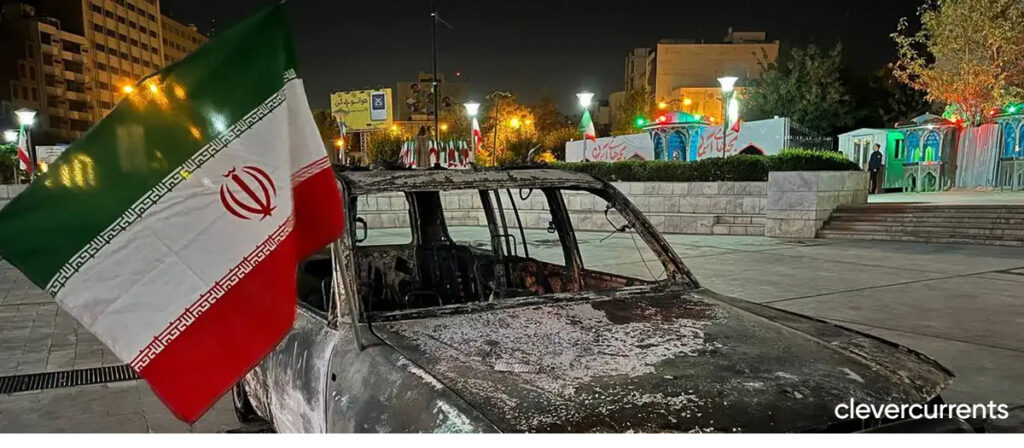
In a significant diplomatic development, the United States, Iran, and several regional mediators are actively working toward a 45-day ceasefire agreement, according to reports by Axios. The proposal comes at a critical moment as tensions in West Asia reach dangerous levels, threatening to spiral into a broader regional war.
A Two-Phase Peace Plan
The proposed ceasefire is not just a temporary pause in hostilities—it is part of a two-phase strategy:
- Phase 1: A 45-day ceasefire aimed at halting immediate violence
- Phase 2: Negotiations toward a permanent end to the war
Officials suggest that if talks require more time, the ceasefire period could be extended to ensure progress toward a lasting solution.
Who Are the Mediators?
The negotiations are being facilitated by key regional players, including:
- Pakistan
- Egypt
- Turkey
These countries are acting as intermediaries, helping bridge communication gaps between Washington and Tehran amid ongoing hostilities.
Why This Ceasefire Matters
The urgency behind the ceasefire push is driven by multiple high-risk factors:
- Escalating military strikes across Iran, Israel, and neighboring regions
- Threats to critical infrastructure like energy and water facilities
- Rising global oil prices due to disruptions in the Strait of Hormuz
The conflict has already expanded beyond bilateral tensions, drawing in Gulf nations and increasing fears of a wider war.
Trump’s Deadline and Pressure Tactics
U.S. President Donald Trump has intensified pressure by setting a deadline for Iran to reopen the Strait of Hormuz, a vital global oil route.
- Failure to comply could trigger major U.S. strikes on Iranian infrastructure
- The deadline has been slightly extended, signaling urgency but also room for diplomacy
This mix of negotiation and military threat highlights the high-stakes nature of the talks.
Challenges to the Deal
Despite the diplomatic push, significant obstacles remain:
- Iran previously rejected shorter ceasefire proposals
- Deep mistrust between both nations
- Disagreements over nuclear activities and sanctions
- Ongoing attacks even during negotiations
Experts warn that chances of a breakthrough within the immediate timeframe remain uncertain.
Global Impact
The outcome of these talks could have far-reaching consequences:
- Energy markets: Oil prices have surged amid uncertainty
- Global trade: Shipping disruptions in the Hormuz Strait
- Humanitarian concerns: Civilian infrastructure at risk
A successful ceasefire could stabilize not just the region, but also the global economy.
Conclusion
The proposed 45-day ceasefire represents a critical but fragile opportunity to de-escalate one of the most dangerous conflicts in recent years. While diplomacy is gaining momentum, the path to peace remains uncertain, shaped by tight deadlines, geopolitical rivalries, and ongoing violence.
Whether this initiative leads to a lasting resolution or collapses under pressure will likely define the future of the region—and beyond.