


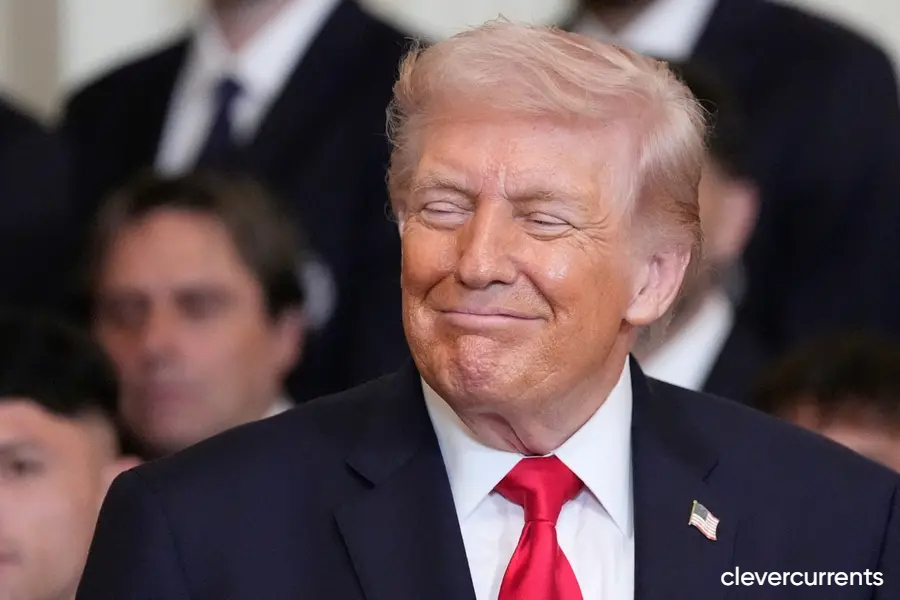
Global oil markets have been shaken by the escalating conflict in West Asia, with crude prices surging past $100 per barrel for the first time in several years. Amid concerns about rising fuel costs and economic disruption, U.S. President Donald Trump has downplayed the spike, arguing that the increase is a temporary cost necessary to eliminate Iran’s nuclear threat.
Oil Prices Surge as Conflict Intensifies
The ongoing military confrontation involving the United States, Israel, and Iran has triggered severe disruptions in global oil supply chains. Key energy routes in the Persian Gulf, particularly the Strait of Hormuz, which handles roughly 20% of the world’s oil shipments, have been affected by military tensions and shipping risks.
As a result, oil prices have risen sharply, with both Brent crude and U.S. West Texas Intermediate (WTI) climbing above $100 per barrel. Some reports indicate prices jumping nearly 20% in a matter of days, reflecting fears of supply shortages and disruptions to Middle Eastern production.
The surge has already begun affecting global markets, raising concerns about inflation, rising fuel costs, and potential economic slowdown if the crisis continues.
Trump Calls Price Spike a ‘Small Price to Pay’
Despite growing economic worries, President Trump has dismissed the oil price surge as a short-term consequence of a necessary geopolitical strategy. In a post on his Truth Social platform, Trump said the temporary rise in energy prices would be worth it if it eliminates Iran’s nuclear capabilities.
He wrote that the surge in oil prices would “drop rapidly when the destruction of the Iran nuclear threat is over,” describing the current spike as a “very small price to pay for safety and peace.”
The statement reflects the administration’s broader argument that a short period of economic strain is acceptable if it results in long-term security and stability in the Middle East.
Global Economic and Political Concerns
However, analysts warn that prolonged conflict could keep oil prices elevated for longer than expected. Disruptions to refineries, shipping routes, and production facilities across the Gulf could tighten supply and push prices even higher.
Higher oil prices can ripple across the global economy by increasing transportation costs, raising inflation, and putting pressure on governments and consumers alike. Financial markets have already reacted nervously, with major stock indexes experiencing volatility amid fears of a wider regional war.
The political stakes are also significant. Rising fuel prices could impact public sentiment in the United States and other countries, especially if the conflict drags on.
What Happens Next?
Much will depend on how the conflict evolves in the coming weeks. If diplomatic channels reopen or military operations wind down, oil prices could stabilize quickly. However, further escalation—especially attacks on major energy infrastructure or shipping lanes—could send prices even higher.
For now, the global energy market remains on edge, balancing between geopolitical risks and hopes that the crisis will remain short-lived.