
In a dramatic development that could reshape peace prospects in Southeast Asia, Thailand and Cambodia have agreed to resume ceasefire negotiations after weeks of deadly fighting along their shared border — a dispute that has displaced hundreds of thousands and risked regional stability.
🔥 What Sparked the Recent Violence?
The border between Thailand and Cambodia has long been a simmering flashpoint, rooted in centuries-old territorial claims, contested colonial-era maps, and culturally significant landmarks such as the Preah Vihear temple region.
In early December 2025, skirmishes flared into full-scale fights after an explosion injured Thai soldiers. Soon, both sides were trading artillery, air strikes, and rocket fire across the disputed 800-kilometre frontier.
The violence exacted a heavy toll:
-
Dozens killed on both sides
-
More than 500,000 civilians displaced
-
Border towns and infrastructure damaged
-
Travel warnings issued by foreign governments due to unpredictable security risks.
International and regional mediators have repeatedly expressed alarm at the rising human cost and economic disruption.
🤝 Talks Resume: What’s Different This Time?
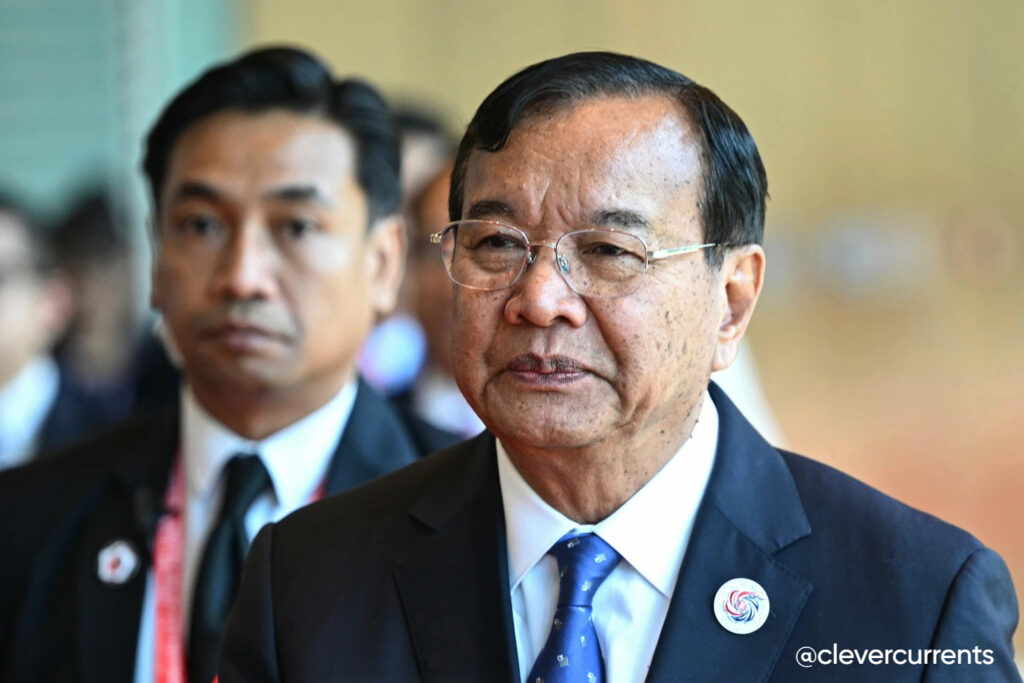
After a temporary truce collapsed, foreign ministers from both nations agreed to restart detailed ceasefire talks later this week, aiming for a “more durable” end to hostilities.
Key features of this initiative:
✔️ A General Border Committee (GBC) meeting set for Dec 24, 2025, where negotiators will work on the terms, verification, and implementation of a ceasefire.
✔️ Emphasis on bilateral negotiation details, with a focus on mechanisms that reflect conditions on the ground rather than broad, symbolic pledges.
✔️ Continued engagement by ASEAN and regional actors urging both sides to “exercise restraint” and de-escalate further.
Unlike earlier efforts — including a ceasefire announced in October that quickly unraveled — both capitals appear determined to delve into the technical nuts and bolts that could make a deal stick.
🌍 Regional and International Stakes
The border conflict is not just a bilateral issue — it has invited broader diplomatic involvement:
📍 ASEAN
At a recent ASEAN foreign ministers’ meeting in Kuala Lumpur, member states urged the resumption of dialogue and expressed serious concern over the humanitarian impact and continued clashes.
🧭 Global Actors
The United States, China, and Malaysia have all played roles in past mediation efforts. In October, a Malaysia-hosted peace accord, observed by leaders including a former U.S. president, sought to halt fighting — though it proved fragile.
China has indicated its envoy will engage in shuttle diplomacy, underlining Beijing’s growing role in Southeast Asian conflict management.
💔 The Human Cost
While diplomats prepare to sit around negotiation tables, civilians continue to feel the consequences:
-
Thousands have fled their homes or been cut off from services.
-
Border markets and traditional trade have suffered.
-
Families on both sides grapple with loss, uncertainty, and fear of renewed fighting.
As one observer put it, “The true price of this dispute is being paid not by politicians, but by ordinary people whose lives have been uprooted.”
📌 What Comes Next?
For peace to hold, the coming days will be crucial:
🟡 Dec 24: GBC talks begin — stakeholders hope this will lay a realistic roadmap for implementing a sustained ceasefire.
🟡 Verification: Observers may be needed to monitor compliance — a sore point in past negotiations.
🟡 Confidence-building: Reopening border crossings and easing humanitarian access could build trust.
📝 Final Thought
The resumption of ceasefire talks between Thailand and Cambodia is a hopeful sign amid a conflict that has repeatedly dashed peace efforts. Success will depend on detailed diplomacy, mutual trust, and tangible mechanisms that prevent future flare-ups. If negotiators can anchor peace not just in words but in enforcement, this could mark a turning point in one of Southeast Asia’s most persistent disputes.
Betpkrdownload was super quick and painless. Got it up and running in no time. Happy camper here! Get it right here: betpkrdownload