
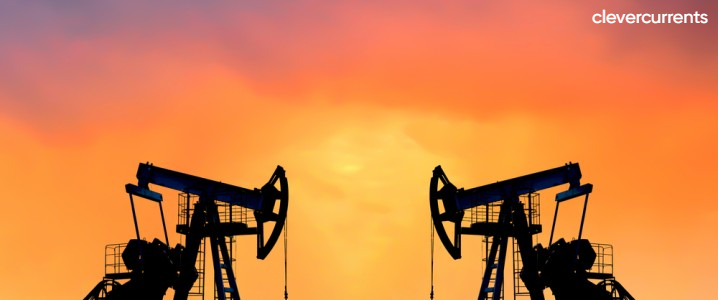
Global oil markets are once again facing turbulence as crude prices continue to climb despite one of the largest releases ever from the International Energy Agency and national strategic petroleum reserves (SPR). The move was intended to stabilize the market and ease pressure on consumers, but the surge in prices highlights deeper concerns about supply, geopolitical tensions, and the global energy transition.
Record Strategic Reserve Release
In an attempt to cool rising energy prices, several major economies—including the United States, China, India, and members of the European Union—released millions of barrels of crude oil from their emergency stockpiles. These reserves are typically used during severe supply disruptions, such as wars or natural disasters.
The coordinated release was historic in scale. Governments hoped that injecting additional supply into the market would reduce prices and reassure investors that shortages could be managed.
However, the market response was short-lived. Oil prices briefly dipped but soon rebounded, indicating that the underlying issues affecting global supply remain unresolved.
Why Prices Are Still Rising
Several factors are contributing to the continued rise in oil prices:
1. Geopolitical tensions
Conflicts and political instability in key energy-producing regions have disrupted supply chains. Ongoing tensions involving Iran, Russia, and parts of the Middle East have created uncertainty in the energy market.
2. OPEC+ production strategy
The oil-producing alliance OPEC+ has maintained a cautious approach to increasing production. Many member states are reluctant to rapidly boost output due to concerns about market stability and long-term demand.
3. Strong global demand
Despite economic slowdowns in some regions, energy consumption remains strong, particularly in developing economies. Industrial recovery, increased travel, and seasonal demand have kept consumption levels high.
4. Limited spare capacity
Even with reserves being released, global spare production capacity is relatively limited. Some producers are already pumping near maximum levels, leaving little room to offset unexpected disruptions.
Impact on Global Economies
Rising oil prices have far-reaching consequences. Higher fuel costs can increase transportation expenses, push up inflation, and strain household budgets. For oil-importing nations like India, sustained price increases can widen trade deficits and place pressure on government finances.
On the other hand, oil-exporting countries may benefit from the price rally through increased revenues, strengthening their fiscal positions.
Strategic Reserves: A Short-Term Tool
Strategic petroleum reserves are designed to act as a temporary buffer, not a permanent solution to market imbalances. While large releases can calm markets briefly, they cannot replace long-term supply or solve geopolitical conflicts.
Energy analysts warn that relying too heavily on reserve releases could leave countries vulnerable if a major supply shock occurs in the future.
The Road Ahead
The future direction of oil prices will largely depend on geopolitical developments, production decisions by OPEC+, and the pace of global economic growth. At the same time, the ongoing shift toward renewable energy and cleaner technologies could gradually reshape the energy landscape.
For now, the surge in oil prices despite record strategic reserve releases underscores a fundamental reality: the global oil market remains highly sensitive to supply risks and geopolitical uncertainty.