


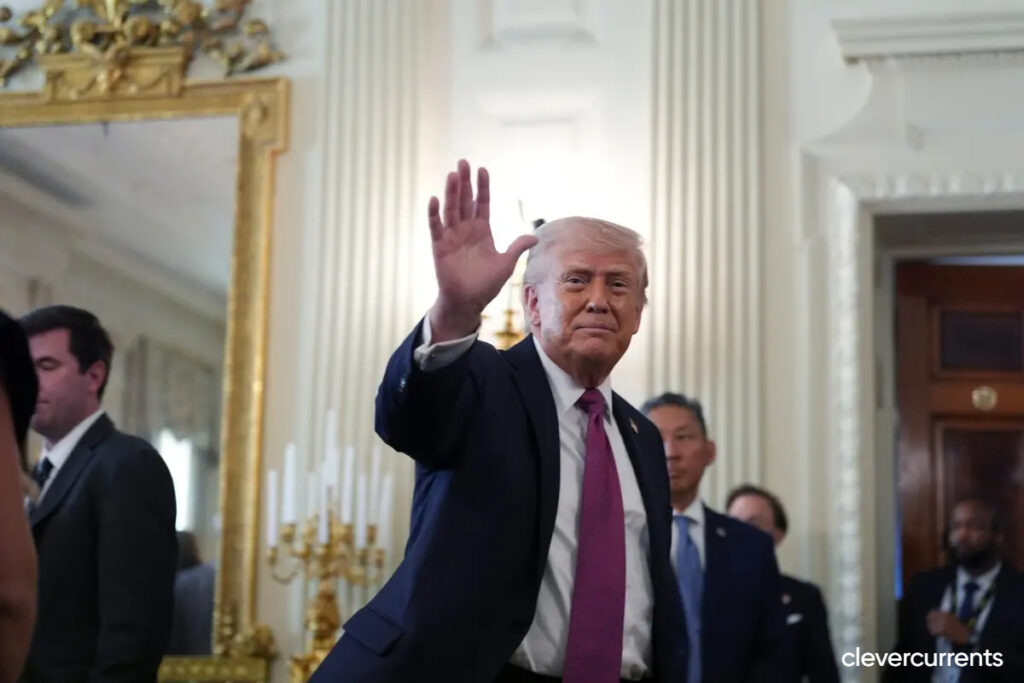
The ongoing Iran–Israel conflict has entered another tense phase as Donald Trump announced an extension of the ceasefire with Iran—while simultaneously maintaining a strict naval blockade. This dual strategy reflects a delicate balance between diplomacy and pressure, raising fresh questions about the future of peace in the region.
A Ceasefire Without Relief
The ceasefire, originally set to expire, has now been extended indefinitely to allow more time for negotiations. According to reports, the decision came after mediation efforts by Shehbaz Sharif and Pakistan’s leadership, who are actively trying to bring both sides back to the negotiating table.
However, this extension is not a sign of easing tensions. The United States has made it clear that its naval blockade on Iranian ports will continue, effectively restricting Iran’s trade and oil exports.
Iran Pushes Back
Iran has strongly criticized the move, calling the blockade an “act of war” and a violation of the ceasefire itself. Officials in Tehran argue that meaningful negotiations cannot happen under economic and military pressure.
Some Iranian leaders have gone even further, suggesting the ceasefire extension could be a strategic delay tactic by the U.S. to prepare for future military action.
Talks in Trouble
Peace talks, expected to take place in Islamabad, have hit major roadblocks. Iran has refused to participate unless the blockade is lifted, while the U.S. insists on maintaining pressure until Tehran presents a unified proposal.
This deadlock highlights a key issue: both sides want negotiations—but on completely different terms.
Global Impact
The conflict continues to shake global markets, especially due to tensions around the Strait of Hormuz, a critical oil shipping route. Rising uncertainty has already pushed oil prices higher and increased fears of supply disruptions worldwide.
What Happens Next?
The situation remains highly unpredictable. The ceasefire reduces immediate military escalation, but the ongoing blockade keeps tensions at a boiling point. Experts suggest that unless one side softens its stance—either by easing the blockade or agreeing to talks under current conditions—the risk of renewed conflict remains high.
Conclusion
The extension of the ceasefire offers a temporary pause in violence, but not a path to peace—at least not yet. With diplomacy stalled and pressure tactics still in play, the Iran–Israel conflict remains one of the most volatile flashpoints in global politics today.