
The ongoing conflict between the United States and Iran in 2026 is proving to be far more costly than initially anticipated. What began as a swift military campaign has evolved into a prolonged and expensive geopolitical struggle — draining billions of dollars, military assets, and human lives.
As of now, the numbers are staggering.
💰 A $25 Billion Price Tag — And Rising
According to recent Pentagon estimates, the United States has already spent around $25 billion on the war.
To put that into perspective, this amount is roughly equal to the entire annual budget of NASA — a shocking comparison that highlights the scale of spending.
And this figure may not even include:
- Long-term military base repairs
- Equipment replacement
- Veteran care and future obligations
The final cost could climb significantly higher in the coming months.
⚔️ Massive Military Losses
Beyond money, the U.S. has suffered substantial losses in military hardware:
- Dozens of aircraft lost, including fighter jets and drones
- Expensive systems like MQ-9 Reapers, F-15E jets, and refueling aircraft destroyed or damaged
- Critical surveillance and radar systems hit
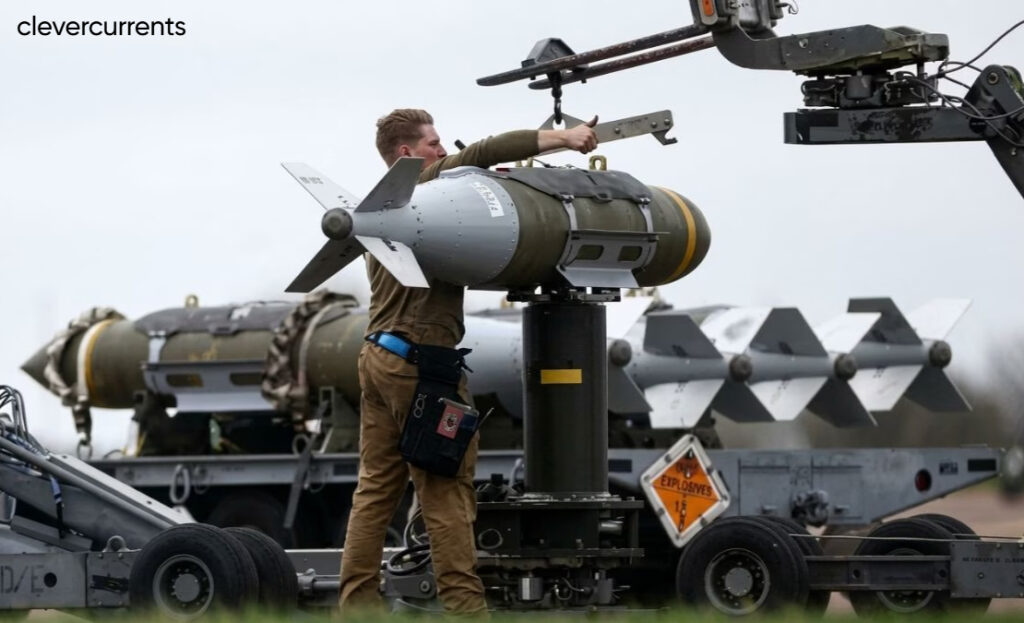
Thousands of high-cost precision weapons have also been used, including:
- Over 1,000 Tomahawk missiles
- Advanced missile interceptors costing millions each
Replacing these weapons could take years and strain defense readiness.
👨✈️ Human Cost: Lives Lost and Injured
War always comes with a human price.
- At least 13–15 U.S. troops killed
- Over 380+ injured
These numbers may seem small compared to past wars, but they represent highly trained personnel — a significant loss for military capability and morale.
🏗️ Hidden Costs: Damage to Bases
Recent reports suggest that Iranian strikes caused far more damage to U.S. military bases than initially disclosed, with repair costs likely running into billions of dollars.
This includes:
- Damaged infrastructure
- Destroyed equipment
- Increased defense spending for rebuilding
⛽ Economic Shockwaves Across the World
The war isn’t just costing the military — it’s impacting the global economy:
- Oil prices surged due to disruptions in the Strait of Hormuz
- Nearly 20% of global oil supply has been affected
- Rising fuel and fertilizer prices are contributing to global inflation
Even countries not directly involved are feeling the economic pressure.
📉 Strategic and Political Costs
The war is also creating serious political consequences:
- Public support in the U.S. is declining (around 34% approval)
- Growing criticism from lawmakers over spending and strategy
- Strained relations with global allies
What was meant to be a short operation is increasingly being compared to past prolonged conflicts.
⚠️ A War Far From Over
Despite a fragile ceasefire and ongoing negotiations, tensions remain high. The U.S. continues to maintain a strong military presence and naval blockade around Iran.
Experts warn that:
- Costs could exceed $35 billion or more
- Replenishing weapons stockpiles may take years
- The conflict could easily escalate again
🧾 Conclusion
The U.S. has already paid a steep price in the Iran war — financially, militarily, and politically. With $25 billion spent, lives lost, and global markets shaken, the true cost of this conflict is still unfolding.
If the war continues or reignites, that number could multiply rapidly — turning this into one of the most expensive modern military engagements in recent history.