
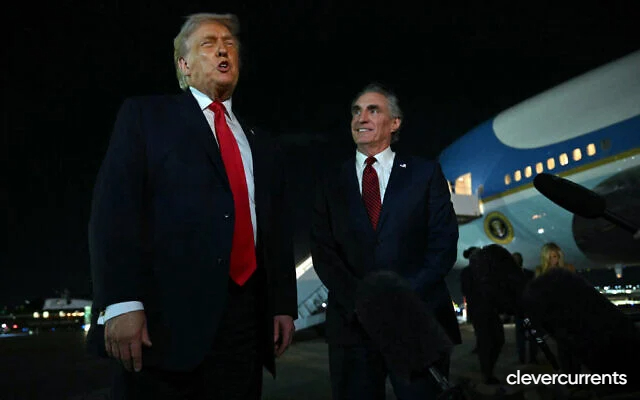
Former U.S. President Donald Trump has once again ignited transatlantic tensions by threatening to impose massive 200% tariffs on French goods, while also revealing what he described as a private message from French President Emmanuel Macron. The remarks, made during a public appearance and amplified on social media, have sparked controversy over trade relations, diplomatic norms, and the future of U.S.-Europe economic ties.
What Trump Said
Trump accused France of pursuing trade policies that he claims unfairly disadvantage American businesses. In his statement, he warned that if such practices continue, a future Trump administration would not hesitate to impose tariffs as high as 200% on selected French imports. While he did not specify which goods would be targeted, analysts say luxury items such as wine, cheese, cosmetics, and fashion products could be most vulnerable.
Adding fuel to the fire, Trump also shared details of a private communication from President Macron. According to Trump, the message showed that French leadership privately acknowledges the strength of the U.S. position on trade, even as Paris publicly pushes back against American pressure. The French presidency has not officially commented on the alleged message.
Diplomatic Fallout
Revealing private exchanges between world leaders is widely seen as a breach of diplomatic convention. Critics argue that such disclosures could erode trust between allies and make future negotiations more difficult. Supporters of Trump, however, say the move underscores his “America First” approach and exposes what they see as hypocrisy among U.S. partners.
France and the European Union have previously warned that steep U.S. tariffs would trigger swift retaliation, potentially escalating into a broader trade war. EU officials have consistently maintained that trade disputes should be resolved through dialogue and World Trade Organization mechanisms, not unilateral threats.
Economic Implications
A 200% tariff would effectively price many French goods out of the U.S. market, hitting exporters hard and raising costs for American consumers. Economists caution that such measures could also backfire on U.S. producers if Europe responds with counter-tariffs on American products ranging from agricultural goods to industrial equipment.
Markets generally react nervously to trade tensions, and renewed tariff threats could add uncertainty for businesses already grappling with inflation, supply chain challenges, and geopolitical risks.
What Comes Next
With global trade already under strain, Trump’s comments signal that trade policy could once again become a central issue in U.S. relations with Europe. Whether the tariff threat materializes or remains political rhetoric, the episode highlights the fragile balance between economic competition and diplomatic cooperation among longtime allies.
For now, all eyes are on how Paris and Brussels respond, and whether cooler heads will prevail to prevent another chapter of transatlantic trade conflict.