
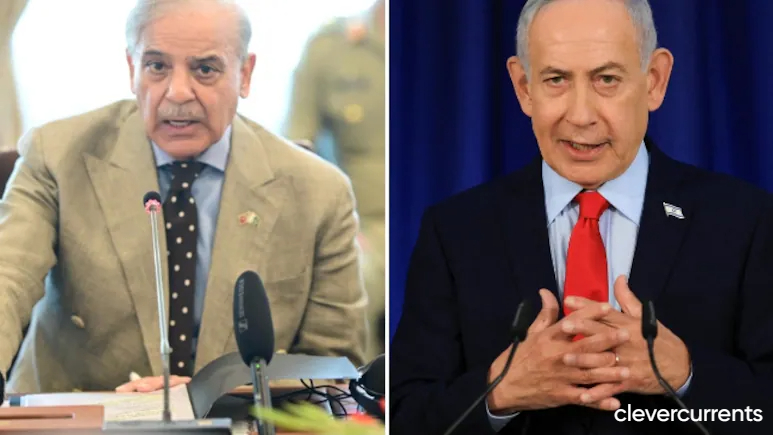
A major diplomatic breakthrough in the Middle East—the recent U.S.-Iran ceasefire—has quickly become controversial. While global leaders welcomed the temporary pause in hostilities, a sharp disagreement has emerged between Benjamin Netanyahu and Shehbaz Sharif over one critical question: Does the ceasefire include Lebanon?
What the Ceasefire Agreement Says
The ceasefire, brokered with mediation from Pakistan and backed by Donald Trump, is a two-week pause in attacks between the United States and Iran. It is aimed at reducing tensions and opening doors for negotiations in Islamabad.
Pakistan’s Prime Minister Shehbaz Sharif announced that the agreement would apply “everywhere, including Lebanon,” raising hopes of a broader regional calm.
Netanyahu’s Strong Rebuttal
However, Israel quickly rejected that interpretation. Netanyahu’s office clarified:
The ceasefire “does not include Lebanon.”
Israel confirmed it supports the pause in fighting with Iran—but will continue its military operations in Lebanon, particularly against Hezbollah.
This statement directly contradicts Sharif’s claims and highlights divisions among key players involved in the agreement.
Why Lebanon Is Excluded
Lebanon has become a major front in the wider conflict due to the involvement of Hezbollah, an Iran-backed militant group.
- Hezbollah launched attacks on Israel in support of Iran
- Israel responded with airstrikes and ground operations
- The conflict has led to thousands of casualties and massive displacement
For Israel, the fight against Hezbollah is seen as a separate security issue—not covered under the Iran ceasefire.
Diplomatic Confusion and Risks
The contradiction between Israel and Pakistan reflects deeper complexities:
- Different interpretations of the ceasefire terms
- Conflicting strategic priorities among allies
- Risk that the ceasefire could weaken if disagreements grow
While Iran reportedly views halting violence in Lebanon as essential for lasting peace, Israel remains firm on continuing its operations.
What Happens Next?
Negotiations between the U.S. and Iran are expected to continue in Islamabad, but the exclusion of Lebanon raises serious concerns:
- Can the ceasefire hold if fighting continues elsewhere?
- Will Hezbollah escalate attacks in response?
- Can mediators bridge the gap between conflicting claims?
The answers will determine whether this ceasefire becomes a stepping stone to peace—or just a temporary pause in a wider war.
Conclusion
The disagreement between Netanyahu and Shehbaz Sharif underscores a harsh reality: peace in the Middle East is rarely straightforward.
While the U.S.-Iran ceasefire offers a glimmer of hope, the exclusion of Lebanon shows that regional conflicts remain deeply interconnected—and far from resolved.