
The ongoing Iran–Israel war has taken a dangerous turn, pushing global tensions to a boiling point. At the center of this escalating crisis lies one of the world’s most critical oil routes — the Strait of Hormuz — now under direct threat of closure.
Trump’s Ultimatum Sparks Firestorm
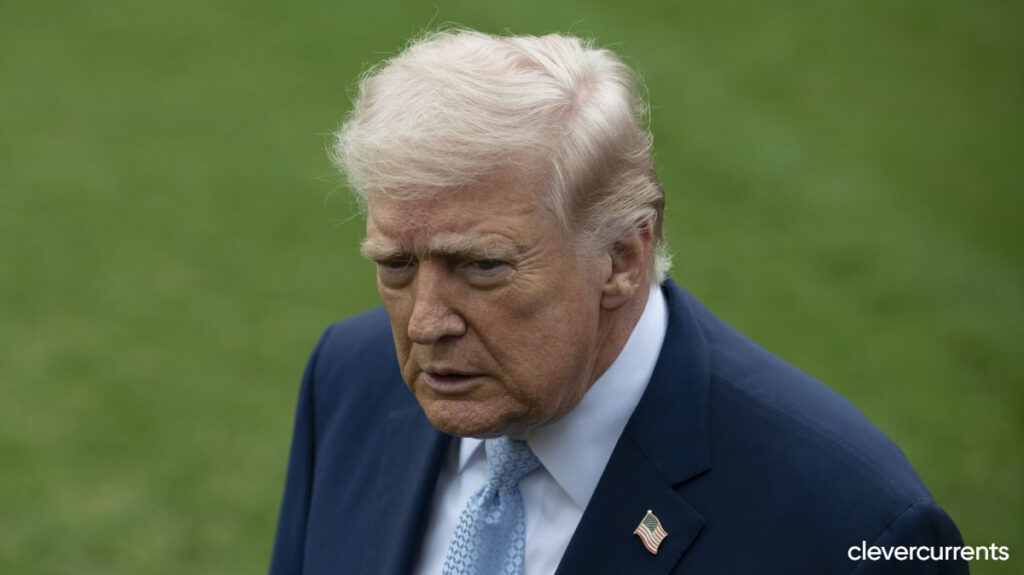
The crisis intensified after former U.S. President Donald Trump issued a dramatic 48-hour ultimatum to Iran. He demanded the immediate reopening of the Strait of Hormuz, warning that failure to comply would result in U.S. strikes on Iranian power plants.
This ultimatum marked a sharp escalation in rhetoric and strategy, shifting the conflict from military confrontation to potential infrastructure warfare.
Iran’s Response: Total Closure Threat
Iran responded swiftly and forcefully. The country’s elite military wing, the Islamic Revolutionary Guard Corps (IRGC), warned that if its energy infrastructure is attacked, it would “completely close” the Strait of Hormuz.
Tehran also signaled that retaliation would not be limited to U.S. targets alone. Energy facilities across the Middle East — especially in countries hosting U.S. bases — could become legitimate targets.
Why the Strait of Hormuz Matters
The Strait of Hormuz is not just a regional concern — it is a global lifeline. Around 20% of the world’s oil supply passes through this narrow waterway.
Any disruption here has immediate consequences:
- Surge in global oil prices
- Supply chain disruptions
- Economic instability worldwide
Recent tensions have already caused volatility in energy markets, with fears of a prolonged blockade looming large.
A Threat to Basic Infrastructure
Iran’s warnings go beyond military retaliation. Officials have hinted at targeting critical infrastructure such as:
- Power plants
- Water desalination facilities
- Energy grids across Gulf nations
Such attacks could severely impact civilian life in countries like Saudi Arabia, UAE, and Qatar, where desalination plants supply most of the drinking water.
Global Alarm and Diplomatic Struggles
The international community is watching closely. Nations dependent on Gulf oil — including China and European countries — are urging restraint and emphasizing the importance of keeping the Strait open.
At the same time, diplomatic efforts remain fragile. Recent incidents, including U.S. actions in the region and conflicting political statements, have complicated peace negotiations.
Conclusion: A Ticking Time Bomb
The situation in the Middle East is now at a critical crossroads. With both sides issuing direct threats to vital infrastructure, the risk of a broader regional conflict — or even a global economic shock — is higher than ever.
The fate of the Strait of Hormuz could determine not just the outcome of this war, but the stability of global energy markets and international security.
Unless diplomacy prevails quickly, the world may soon face consequences far beyond the battlefield.