
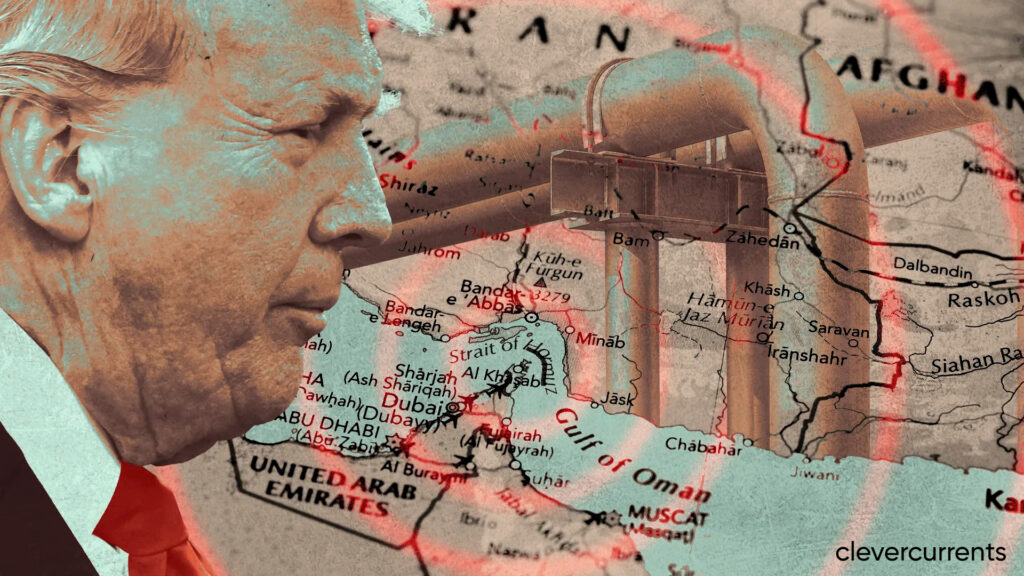
The ongoing Iran-Israel war has entered a complex new phase—one where diplomacy and economic strategy are beginning to intersect with military confrontation. Recent developments suggest a cautious shift toward de-escalation, even as tensions remain high across the Middle East.
Trump’s Peace Plan: A Strategic Gamble
In a surprising move, former U.S. President Donald Trump has reportedly introduced a 15-point peace plan aimed at ending the conflict. The proposal calls for:
- A temporary ceasefire
- Iran to abandon its nuclear ambitions
- An end to support for groups like Hamas and Hezbollah
- Reopening of the Strait of Hormuz
In exchange, the United States is said to be offering sanctions relief and civilian nuclear cooperation.
While Trump claims progress and even hints at behind-the-scenes concessions from Tehran, Iranian officials have publicly denied entering formal negotiations—highlighting the fragile nature of any diplomatic breakthrough.
Iran’s ‘Non-Hostile’ Vessel Policy
At the same time, Iran has made a significant announcement regarding global oil trade. Tehran has stated that “non-hostile vessels” will be allowed to pass through the Strait of Hormuz, one of the world’s most critical oil routes.
However, this comes with strict conditions:
- Ships must not be linked to the U.S., Israel, or allied forces
- Vessels must coordinate with Iranian authorities
- Any involvement in “hostile actions” disqualifies passage
This selective opening signals that Iran is willing to ease pressure—but only on its own terms.
Global Oil Market on Edge
The Strait of Hormuz carries nearly 20% of the world’s oil supply, making it a vital economic artery. The conflict has already:
- Disrupted shipping routes
- Caused oil price volatility
- Left thousands of vessels stranded
Iran’s conditional reopening may stabilize markets slightly, but uncertainty remains high as restrictions still apply to major Western-linked shipments.
Military Pressure Still Builds
Despite diplomatic signals, the military situation remains tense. The U.S. has reportedly deployed additional troops to the region, keeping pressure on Iran while preparing for possible escalation.
This dual-track approach—negotiation backed by force—reflects a broader strategy: push Iran toward a deal without losing strategic leverage.
What This Means Going Forward
The latest developments reveal a critical turning point:
- Diplomacy is back on the table, but trust is minimal
- Energy security is driving global urgency
- The war’s outcome may depend on Hormuz stability
If Iran continues allowing limited oil transit and the U.S. pursues negotiations, a temporary cooling of tensions is possible. However, with both sides maintaining strong conditions, a lasting peace remains uncertain.
Conclusion
The Iran-Israel war is no longer just a military conflict—it’s now a high-stakes geopolitical and economic chess game. Trump’s peace plan and Iran’s calculated reopening of oil routes suggest both sides are exploring off-ramps, but neither is ready to fully back down.
The coming days will be crucial in determining whether this moment leads to de-escalation—or a deeper global crisis.