
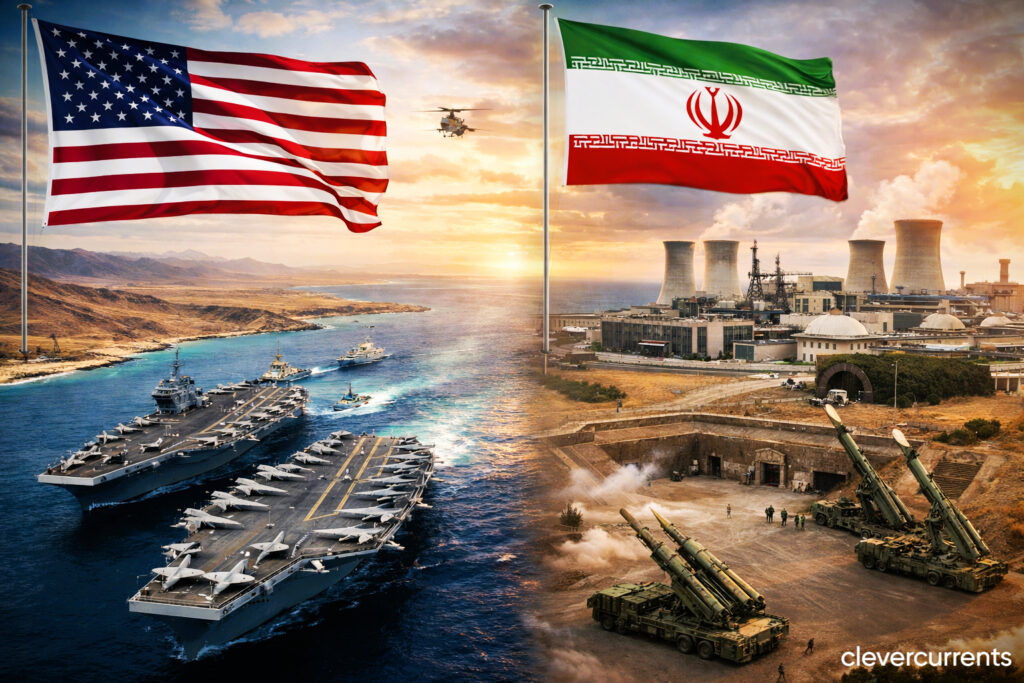
The geopolitical relationship between Iran and the United States has entered one of its most tense phases in years. After months of escalating rhetoric, economic pressure and military posturing, both sides are preparing to resume diplomatic engagements — even as the threat of force looms large.
🇨🇭 Third Round of Talks in Geneva
Diplomats from both Washington and Tehran are slated to meet in Geneva for a third round of indirect nuclear negotiations. Facilitated by Oman, these discussions aim to address the contentious nuclear program that has long been at the heart of U.S.–Iran tensions. Iranian Foreign Minister Abbas Araghchi has stated that a “fair, balanced and equitable deal” could be within reach, and insists that Tehran is not seeking nuclear weapons but rather peaceful nuclear technology.
However, deep distrust remains. Iran refuses to open discussions on its ballistic missile program — a major concern for U.S. officials — and insists on its sovereign right to enrich uranium for civilian use.
💰 New Sanctions and “Maximum Pressure”
In parallel with the talks, the United States has imposed sweeping new economic sanctions targeting over 30 individuals, firms and vessels linked to Iran’s oil trade and weapons programs. These measures are part of an intensified “maximum pressure” campaign aimed at choking Tehran’s revenue streams and compelling political concessions.
U.S. officials, including Vice President J.D. Vance, have emphasized that while President Donald Trump prefers a diplomatic resolution, “other tools” — including sanctions and military force — remain options if talks falter.
🪖 Military Buildup and Threats of Force
President Trump’s recent State of the Union address underscored the seriousness of the standoff. He accused Iran of developing ballistic missiles capable of reaching U.S. bases and Europe — claims Tehran has strongly rejected — and reinforced that military options remain on the table should Iran not agree to a robust deal.
This rhetoric is backed by an unprecedented deployment of U.S. military assets to the Middle East — the largest since the Iraq War — including aircraft carriers, warships, and air power designed to deter Tehran and support diplomatic leverage.
Iran, in turn, has vowed that any U.S. strike — even a “limited” one — would be met with a strong and ferocious response, warning of a broader regional conflict if attacked.
🧨 The Stakes: Diplomacy or Confrontation?
This moment marks a critical inflection point in U.S.–Iran relations:
🌐 Diplomacy Still on the Table
Despite the heavy sanctions and military rhetoric, both sides appear willing to sit at the negotiating table. Tehran’s foreign minister has spoken of possible accord, and U.S. envoys stress the pursuit of a diplomatic path before resorting to force.
A successful deal — centered on limiting uranium enrichment and providing clear verification mechanisms — could rein in nuclear risks, stabilize a volatile region, and potentially reopen economic engagement.
🔥 Risk of Escalation
Yet the environment is volatile. U.S. military threats and Iran’s vow to retaliate create a backdrop where misunderstandings or miscalculations could lead to a wider conflict. The sanctions have already inflicted economic strain, and Tehran perceives them as part of a broader campaign to weaken its sovereignty and influence.
Iran’s insistence on excluding missile and proxy issues from the talks — while the U.S. demands they be part of any comprehensive agreement — suggests that even if the Geneva talks proceed, reaching a breakthrough will be far from straightforward.
🧩 In Conclusion
The unfolding situation between Iran and the United States is a complex blend of diplomacy under duress and strategic brinkmanship:
-
Iran and the U.S. are poised for a new round of nuclear negotiations in Geneva, hoping to avert full-blown conflict.
-
U.S. sanctions and military buildup increase pressure on Tehran to compromise, even as Washington publicly emphasizes diplomacy first.
-
Tehran remains defiant, vowing strong retaliation to any attack and demanding respect for its nuclear rights.
Whether these talks will yield a real agreement — or instead precipitate heightened confrontation — remains one of the most consequential diplomatic challenges of the moment.