
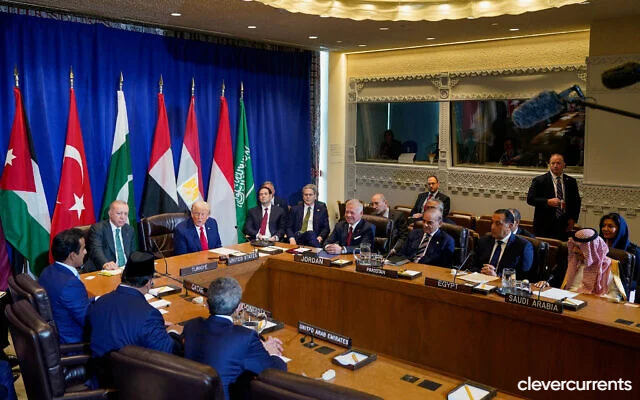
In a striking move with wide-ranging geopolitical implications, eight countries from the Middle East and Asia — including Qatar and Saudi Arabia — have announced their decision to join the United States-led “Board of Peace.” This body, proposed by Donald Trump as part of his broader plan to end the war in Gaza, is now transitioning from concept to reality, attracting both support and skepticism across the globe.
Who Has Joined — and Why It Matters
On January 21, 2026, foreign ministers from Qatar, Saudi Arabia, Egypt, Jordan, Indonesia, Pakistan, Turkey, and the United Arab Emirates issued a joint statement welcoming U.S. President Trump’s invitation to participate in the Board of Peace. Their leaders will proceed with formal accession through domestic procedures.
According to the joint communique:
-
These countries reaffirmed support for Trump’s peace efforts and the board’s mission.
-
They underscored a commitment to achieving and consolidating a permanent ceasefire in Gaza, facilitating reconstruction, and advancing a just and lasting peace grounded in international law and Palestinian self-determination.
For Qatar and Saudi Arabia — two influential Gulf states with a history of mediating regional disputes — participation signals both a diplomatic opportunity and a desire to shape how peace efforts unfold in the Middle East.
What Is the “Board of Peace”?
The “Board of Peace” is a U.S.-initiated diplomatic council designed to oversee implementation of a peace and reconstruction framework in Gaza and potentially address other conflicts. It was first introduced as part of Trump’s 20-point plan to end hostilities between Israel and Hamas.
Some defining features:
-
Leadership: Donald Trump is expected to chair the board.
-
Mission: It aims to consolidate a permanent truce, coordinate rebuilding efforts, and support sustainable political processes in Gaza.
-
International Dimensions: Invitations have reportedly been extended to dozens of countries — from Argentina to Uzbekistan — though not all have accepted.
Support and Controversy
Proponents see the board as a bold diplomatic experiment that could bring fresh momentum to faltering peace efforts. They argue that involving regional powers like Qatar and Saudi Arabia could help bridge divides and lend legitimacy to a complicated process.
However, critics raise several concerns:
-
Parallel Structures: Some argue the board could sidestep or undermine traditional multilateral institutions like the United Nations, which has historically played a central role in conflict resolution.
-
Legitimacy Questions: Observers question whether a U.S.-led body, chaired by a former president and comprising a mix of governments with differing agendas, can establish lasting trust among disputing parties.
-
Inclusivity: Notably, Palestinian representatives have not been prominently included in leadership roles — a point of contention for many activists and diplomats.
What Comes Next?
As countries finalize their participation, the next steps will involve formalizing membership and beginning the board’s tangible work on Gaza’s ceasefire and reconstruction. With its first major session expected soon — potentially aligned with the World Economic Forum in Davos — all eyes will be on how this new diplomatic body operates.
Whether the Board of Peace becomes a transformative force for conflict resolution or a controversial diplomatic experiment remains to be seen. What’s clear is that its success will hinge not just on elite agreements, but on meaningful progress in peace, justice, and reconstruction on the ground.