
Setting the scene
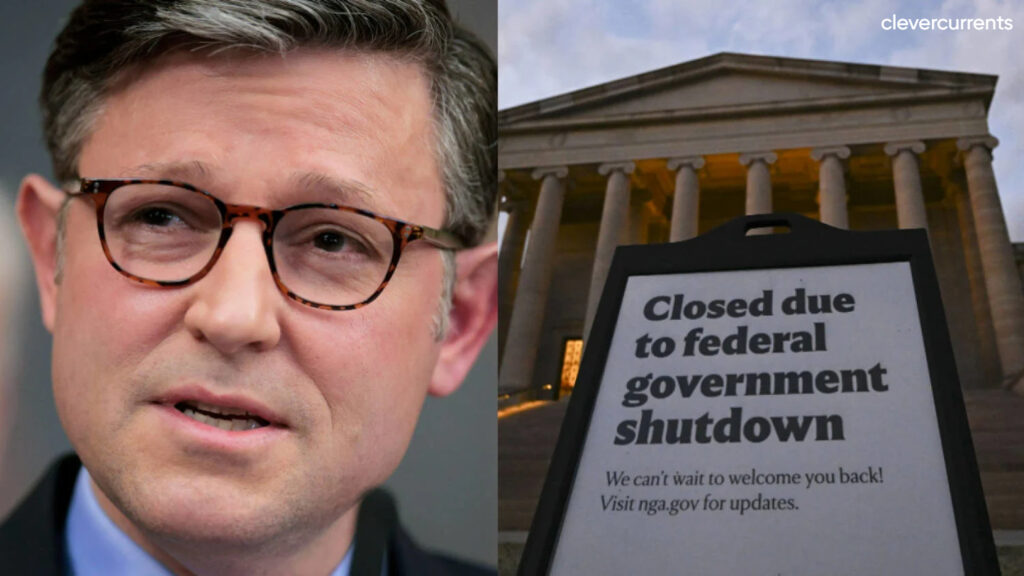
In the fall of 2025, the U.S. federal government entered a shutdown after Congress failed to pass the necessary funding legislation.
The core of the dispute?
-
The Affordable Care Act (ACA) tax credits/subsidies which Democrats had prioritized renewing.
-
Republicans pressing for a “clean” continuing resolution (CR) to reopen the government without those subsidy extensions.
-
The political stakes: federal workers furloughed, airlines and transit affected, public sentiment souring.
So, in short: Democrats wanted a deal linked to healthcare subsidies; Republicans said reopen now, deal later.
The deal & the backlash
Eventually, a stop-gap deal was brokered to reopen the government for now (up to late January 2026) without locked-in subsidy extensions.
The kicker: while some Democratic senators crossed the aisle to move the deal forward, much of the progressive wing and many activists deemed it insufficient or even a betrayal.
Some representative reactions:
“This — isn’t a deal. It’s an unconditional surrender that abandons the 24 million Americans whose health-care premiums are about to double.”
“If Democrats now surrender, I just don’t think they have credibility on cost of living.”
So from many in the party: instead of holding the line for the subsidy fight, this was seen as ceding it for the sake of reopening.
Why the criticism matters (for Democrats)
Here are some of the key reasons why this moment is being seen as risky for the Democratic Party:
1. Loss of leverage on healthcare
Healthcare costs and the ACA subsidies were a big plank for Democrats. If they give that up without guarantee, critics argue they weaken their entire message.
2. Weak leadership and internal division
Leadership figures like Chuck Schumer (Senate Democratic Leader) are being questioned. He negotiated parts of the deal but refused to vote for it – which many say undermines credibility.
3. Political optics vs. principle
With Democratic base voters energized (after election wins in some states), there was expectation for a strong showing. The deal appears to many as pivoting away from bold stance.
4. Future implications
By accepting a short-term fix, without the major win they sought, Democrats may be setting the stage for being blamed later when subsidy deadlines hit, or when healthcare costs rise.
So… Did Democrats “surrender”?
That depends on your perspective. Some things are clear:
-
Yes, because they agreed to reopen without securing the key condition (extension of ACA subsidies) they had insisted upon.
-
No, if you view it as a pragmatic decision to end the shutdown, protect federal workers, undo some damage, and move the battle to a different, longer-term front.
But the dominant narrative from the progressive flank is “surrender” — giving up their bargaining chip too early, for too little.
What comes next?
Here are some likely next steps and risks to watch:
-
The promised vote (or extension) of the ACA subsidies in December/January. If that fails, the criticism will mount.
-
The House side: even if Senate agrees, the House (Republican-controlled) may block or delay, reducing the value of the promise.
-
Political branding: Democrats will need to rebuild trust with their base around whether they’ll fight for issues (like healthcare costs) versus fold under pressure.
-
Repercussions for individual Senators: Those who crossed party lines in safe seats might face backlash or primary challenges.
-
Election implications: Messaging around “who stood up” vs “who gave in” will play into midterms and state races.
My take
In my view, the deal was a missed opportunity for the Democratic Party. They had leverage — public support for the ACA subsidies was strong (e.g., ~74% of adults supported extension) and Republicans were under pressure.
Instead of using that leverage fully, they accepted a deal which gave them the appearance of reopening the government—but without the concrete win they wanted. That undercuts their ability to credibly claim they’re fighting for cost-of-living health issues.
If I were advising them: hold the line on your condition, even if it meant prolonging the shutdown a bit more. The political damage to your base (who may feel abandoned) could be worse in the long run than some short-term suffering.