
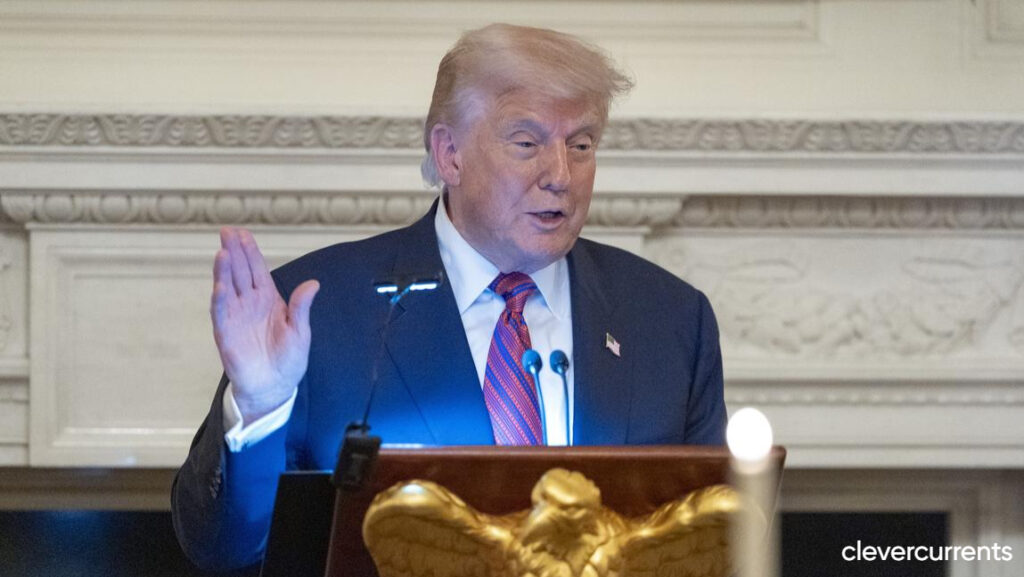
In a recent speech, former U.S. President Donald Trump claimed that during the May 2025 flare-up between India and Pakistan, eight aircraft were “essentially” shot down — a bump up from his previous figure of seven.
He also reiterated that he personally threatened trade deals with both nuclear-armed neighbours until they agreed to peace.
Let’s unpack this: the facts as best we know them, Trump’s narrative, the reactions, and why this matters.
The facts on the ground
-
The conflict began after a deadly terrorist attack in Indian-administered Kashmir on 22 April 2025, prompting India’s strike on Pakistan territory.
-
India’s military officials later acknowledged that during the fighting in May, the Indian Air Force downed at least six Pakistani aircraft (five fighters + one larger aircraft) in the skirmish.
-
Pakistan has claimed it downed Indian aircraft, but those claims are contested and not fully corroborated publicly.
-
India has denied that any third-party (such as the U.S.) mediated the ceasefire; according to New Delhi the deal was reached bilaterally.
In short: there was a serious military exchange, losses claimed by both sides, and a subsequent cease-fire. But the exact tally of losses and the role of external actors remain murky.
Trump’s evolving narrative
What stands out is how Trump’s account has changed over time:
-
In July 2025, he claimed five jets were shot down.
-
Later he said seven planes, and now he says eight planes (with the eighth being “really badly wounded”).
-
He ties the resolution of the conflict to his threat: “I said, I’m not going to make any trade deals with you guys unless you agree to peace …”
-
He frames this as part of a wider “ending wars” portfolio: “In eight months I ended eight wars, including … Pakistan and India.”
A few observations:
-
The changing figure (5 → 7 → 8) raises questions about sourcing and accuracy.
-
The lack of clarity on which side’s aircraft were downed (India’s or Pakistan’s) weakens the specificity of the claim.
-
The bold assertion of U.S. mediation via trade threats diverges from the official Indian position.
Reactions & contradictions
-
New Delhi has rejected the claim of U.S. mediation. India asserts the cease-fire was reached through direct military/operative-level talks, not via trade pressure or third-party intervention.
-
Pakistani media have embraced the narrative of Trump’s involvement, though Islamabad’s official statements are less concretely aligned with the “eight jets down” part.
-
Analysts and media commentators note that the lack of verifiable public data on the “eight jets” figure and the vagueness of Trump’s account makes the claim more rhetoric than substantiated fact.
-
Some reactions highlight the political dimension: the claim feeds into Trump’s broader self-portrayal as a deal-maker and peacemaker. For instance:
“Donald Trump just revised his story again … now saying 8 planes were shot down … his number keeps changing.”
Why it matters
-
Credibility & perception: When high-profile figures make bold claims without solid backing, it affects how media and publics trust those narratives. The shifting number reduces credibility.
-
Geopolitical implications: For India-Pakistan, the involvement of a third power (if true) can impact how each country publicly frames its sovereignty and strategic autonomy. India’s denial of third-party mediation reflects this sensitivity.
-
Domestic politics: For Trump, the story ties into his broader brand of being a global deal-maker. The spectacle of “ending wars” bolsters his image among supporters.
-
Media & information environment: We’re in an era where disputed claims, conflicting reports, and rapid revisions are common. This case is a microcosm of how war narratives, military claims, and diplomacy intersect and get contested publicly.
-
Historical record: Years from now, when historians look at the May 2025 India-Pakistan conflict, the discrepancies in loss claims and the narrative of cease-fire will matter for how the conflict is understood. If the “8 planes” claim becomes part of the story, it will need to be weighed against verified data.
My take / Analysis
I lean toward these conclusions:
-
It is almost certainly true there were aircraft losses on one or both sides in the May conflict. The statement by India’s Air Chief about six Pakistani aircraft being downed supports the idea of tangible air-losses.
-
However, the figure eight is likely inflated or unverified. Given how Trump’s figure has changed over time and lack of public data to back “eight”, it stands on shakier ground.
-
The notion that Trump’s threat of trade deals caused the cease-fire is also dubious. India’s statement that no third-party mediation occurred suggests the cease-fire was independent of U.S. trade leverage.
-
The broader narrative (Trump as mediator) should be seen partly as symbolic and rhetorical, not strictly factual. It plays into image crafting rather than fully documented diplomacy.
What to watch going forward
-
Will any independent investigation or defence-ministry data from India or Pakistan clarify the number of aircraft lost? That would help settle some of the speculation.
-
Will there be any diplomatic fallout from the claim of U.S. “intervention”? India may push back further if it feels its autonomy is being undermined in the narrative.
-
How will media in South Asia treat this story over time? Will “8 jets” become a meme, a talking point, or be quietly forgotten if unverified?
-
For Trump’s audience: will this story stick as part of his legacy narrative (“I ended wars”) or be challenged as exaggeration?
Conclusion
The line “8 jets shot down, but…” captures the essence of this story: there’s a bold new number, a bold claim of intervention, but also significant unanswered questions.
While the core idea — that the May 2025 India-Pakistan clash involved aircraft losses and a cease-fire — is sound, the embellishments (eight jets, U.S. trade leverage) appear to lie more in the realm of political narrative than documented fact.
That doesn’t make the claim irrelevant — far from it. It matters because it influences how the conflict is publicly remembered, how diplomacy is portrayed, and how leaders use stories for personal branding. But as readers, blog-writers, analysts, it’s crucial to separate what is verifiable from what is asserted.